
Perfectly Happy Days? Pretty Hard Dissertation? Please Help, Disaster? What isa PhD, really?

Updated: Mar 18

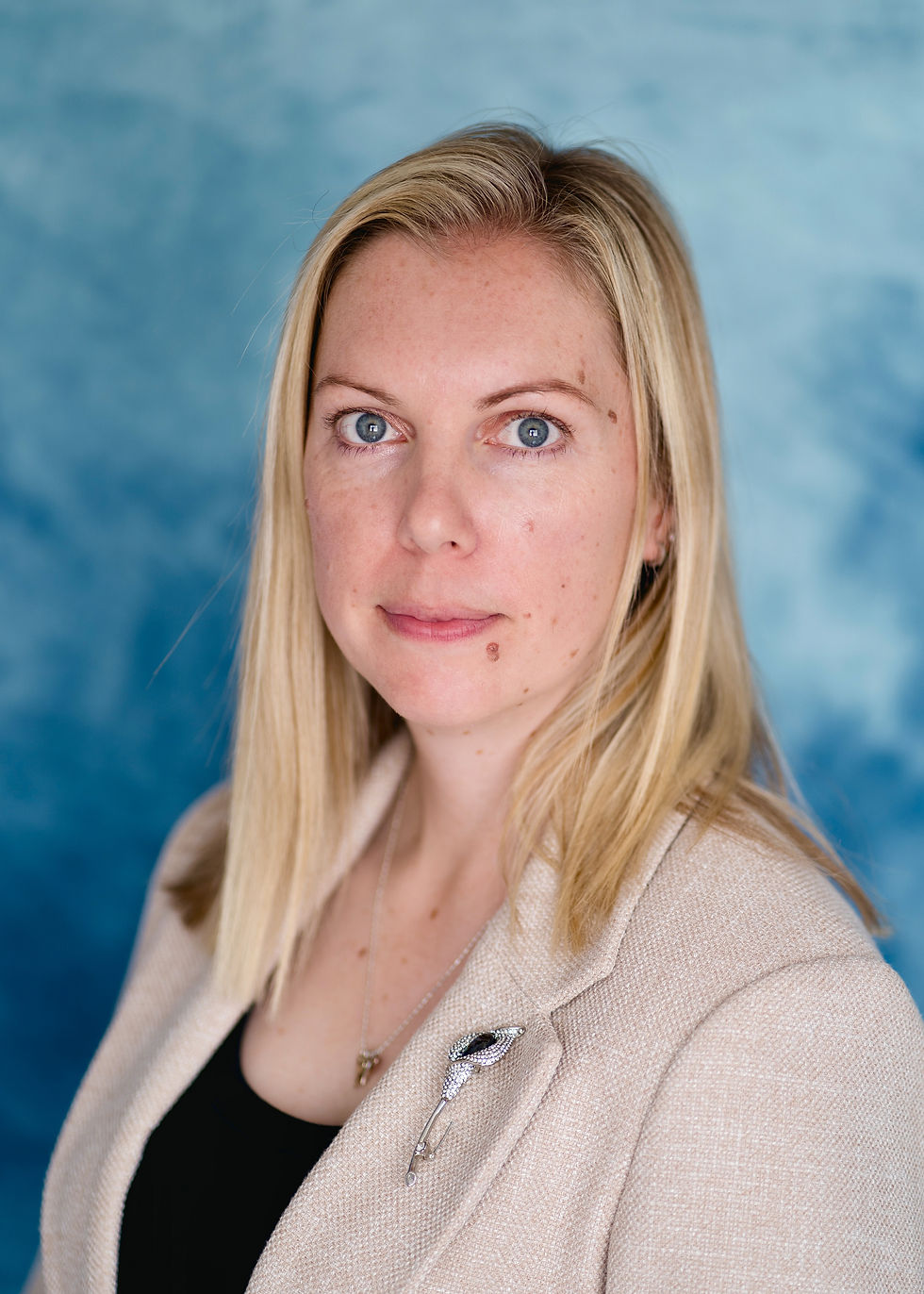
Dr Lee Rabbetts - PhD and Doctoral Mentor at PBI
Dr Lee Rabbetts is a Chartered Psychologist who completed his PhD specialising in creativity and innovation in the workplace. Prior to this he spent 10 years in L&D roles designing and delivering leadership development programmes. He currently splits his time three ways – firstly, consulting on all things business psychology through his own brand Think Creativity; secondly, working to increase the creative intelligence of his clients with Creative ID, here he designs and delivers tailored experiences as well as certifying others in the use of the Creative ID psychometric tool; and finally, delivering lectures and supervising dissertations at the University of Sheffield.
Dr Lee Rabbetts Blog
Before I started my PhD, I did what any excited, slightly naive person would do: I asked friends who'd already completed theirs for advice. Their response was swift and clear: Don't do it. That was it. No elaboration, no nuance - just a brief warning delivered with an expression that clearly asked, “are you mad?”
I've noticed a pattern. Ask someone about their PhD experience and you just don’t get much back. It’s something they’ve invested a lot of time and effort into, you’d think they’d want to share their insight and be pleased that somebody was taking an interest in something that was a significant chunk of their life. Instead, you often get something like “it was OK”, “you know, pretty tough”, or “glad it’s over”. I feel like there is an unwritten rule to treat a PhD like a closed club… what happens on the PhD, stays on the PhD.
Well, I'm here to break that silence. I want to pull back the academic curtain and give an honest view on what a PhD was really like for me – in doing so I hope it may be of some use to people considering a PhD, those currently in the thick of it, and for anybody else who it just a little bit interested.
I did the ‘traditional’ PhD – studying full-time, enrolled at a university (in my case the University of Sheffield), I completed two pieces of original research, produced a 100,000 word thesis and passed a verbal exam known as the viva. I finished in 2025, and it took 4 and a half years in total – I hoped to finish a little quicker than that, but whilst also working part-time and becoming a parent (twice!), priorities shifted and the deadlines were pushed back a little.
Before starting, I imagined a PhD as some kind of magical, multi-year intellectual experience. I'd spend several years absorbing everything there was to know about my subject, emerge as a highly knowledgeable expert, and walk away with a shiny 'Dr' title that announced to the world: This person really knows their stuff.
Then I actually did one. It was not a magical, enlightening experience… it was a job. At times a pretty cool job, with lots of flexibility, surrounded by smart people, where you learn loads about the topics that really interest you. The people around you are often the most passionate about their work that you’re ever likely to meet. Other times, it’s a massive pain – something you worked on for ages goes nowhere, it can feel very lonely and isolated, and you can spend days, weeks, or even months waiting for processes and sign-offs.
That’s why I strongly feel that having work experience before starting a PhD is a huge benefit. You will have experienced workplace successes and frustrations, you know what it’s like to put in a request to another department and wait weeks for a reply, you’re familiar with dragging yourself out of bed every morning and showing up with no excuses.
Of course, there are also things that no workplace will prepare you for, such as the viva – the verbal exam where you are required to ‘defend’ your thesis to two or more experts. I always hated the term ‘defence’ as it sounded like I was going to be fending off attacks, it all sounded a bit hostile. On reflection, I may sound mad, but this was one of the best experiences of the whole 4 years. There were two people who were genuinely interested in my work, they’ve read it all and want to chat to me about it… maybe I was lucky, but there were no attacks. I had to explain and justify why I did my research in certain ways (this is what the ‘defence’ actually is, the justification of your approach) and I had to elaborate on why I felt the results went the way they did. Also, it was pretty long, mine was almost 3 hours, but it went very quickly.
You know how every time a celebrity has a new film coming out they turn up on all the chat shows? That’s how I think of the viva now… we can all read a book or watch a film, but that extra bit of interest comes from hearing the behind-the-scenes insight from the key people involved. The viva is an exam, but it’s also your chance to be interviewed, to bring your thesis to life in a more conversational way, and help people to understand how and why you did it.
Common PhD misconceptions
1. The PhD is a course
Nope. Not a course. Not simply the ‘next thing’ after a Masters. Every PhD experience is different. It's not a structured course with a set curriculum. You won't be sitting through the same lectures or completing the same assignments as your peers. In fact, nobody (ever) has done the exact piece of work you're doing. That's the whole point.
2. It’s all about producing top quality research findings
Wrong again. Your research could find absolutely nothing interesting at all – that doesn’t matter, as long as you went about it all in the right way and can justify all the decisions you made, you will pass your PhD. The PhD isn’t a test of whether you can publish research, it’s a test of whether you are a competent, ethical, independent researcher.
3. Only the smartest people in the world can achieve it
Yet again, no. Of course it isn’t easy, but in my opinion – if you have made it through a degree, can hold down a corporate job and are genuinely motivated to achieve it, you can do it. Intelligence will only get you so far in the PhD, you need to plan your time, show up consistently, build effective relationships with other people, and stick to what you commit to… things that most people do at work all the time.
Top tips for survival
1. Treat it as your job
Consistency is key. When you start, you think you have all the time in the world. You don’t, it goes quickly. Don’t wait for a sudden urge of motivation or inspiration to start reading/writing/analysing/editing. Show up every day and do something, anything, keep making small steps in the right direction. This is the only way 100,000 words is going to get written!
2. Don’t wing it
If there’s a theory you don’t quite understand, a statistical analysis you can’t quite work out, or a term that keeps cropping up that you’ve never really grasped… don’t bluff and pretend you know what you’re doing. Ask. At some point you’ll get found out!
3. Communicate with your supervisors
They are on your team, they want you to succeed and produce the best possible research and thesis. Although it may feel daunting being surrounded by established PhDs or Professors, they are there to help, and genuinely want to help… but they can only support you if they know what's happening. Regular, honest communication prevents small issues from becoming bigger problems further down the line.
4. Share your work
Give your supervisors draft chapters, or even half-finished ideas to read and give feedback on. It’s awkward, you don’t want to ‘fail’, you don’t want to look silly by showing these impressive, experienced people your work… perfectionism and imposter syndrome go through the roof at this point. But this really is the only way you’re going to improve your work and reach the standard required… see above, they are there to help, not tell you off or make you feel bad.
I’ll finish up with two key points that I hope you’ll find useful.
The first is that it is all a balance, and it is possible. Whether you’re doing it full-time or part-time, at a university or with a professional body, working on the side, parenting, moving to a new country, completing it in a second language… whatever your circumstances, if you’ve made it to the start line, you’re smart enough to make it to the finish line. You just need to find the balance that works for you.
The second thing is that you are not alone, even if it feels that way sometimes. Your supervisors are there to help you, and there will be other staff, students, colleagues and resources available if you ever need them. In addition to all of this, I am one of a team of mentors at The Psychology Business Incubator that are on hand to help out members wherever we can – we have a range of experiences across university PhDs and professional doctorates, we’ve all been through it recently, and all survived! If we can be of value to you, please do get in touch for a chat.

We often see how academic and real-world practice intersect. Lee’s reflections highlight that developing as a psychologist is about consistency, curiosity, and community. Doctoral work can feel isolating, but psychology is a collaborative discipline. Conversations, mentorship, and shared experiences make the process more sustainable. The principles Lee highlights creates space where knowledge, challenges, and experiences can be shared openly.
Comments